Quick Information

RECOMMENDED DURATION

3 hours

VISITORS PER YEAR

1000000

EXPECTED WAIT TIME - STANDARD

0-30 mins (Peak), 0-30 mins (Off Peak)

Plan your visit

Did you know?

You enter Istanbul Aquarium through Aqua Florya Shopping Center on the seafront side, not through a separate freestanding aquarium building.

The aquarium’s route starts with Turkey’s own waters, including the Black Sea and the Sea of Marmara and Bosphorus, before moving into larger ocean habitats and ending in the rainforest.

The layout is built around 17+ themed zones on a geographical storyline route, which is why it is described as a thematic aquarium.

Facts about Istanbul Aquarium

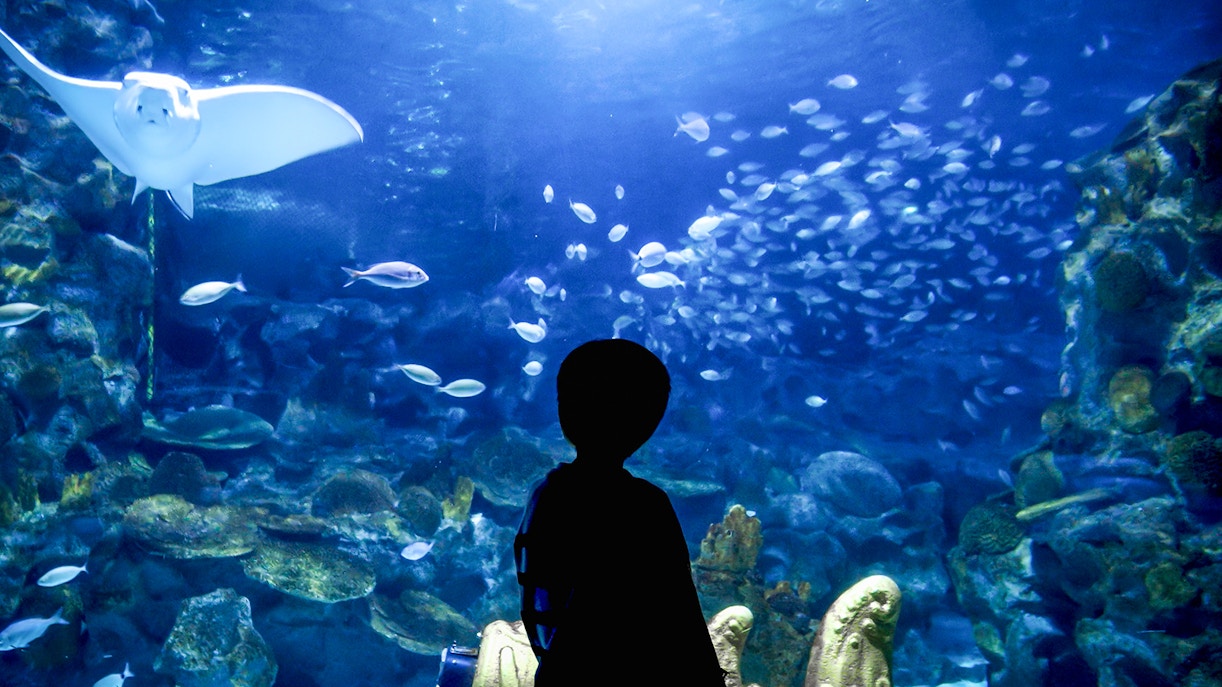
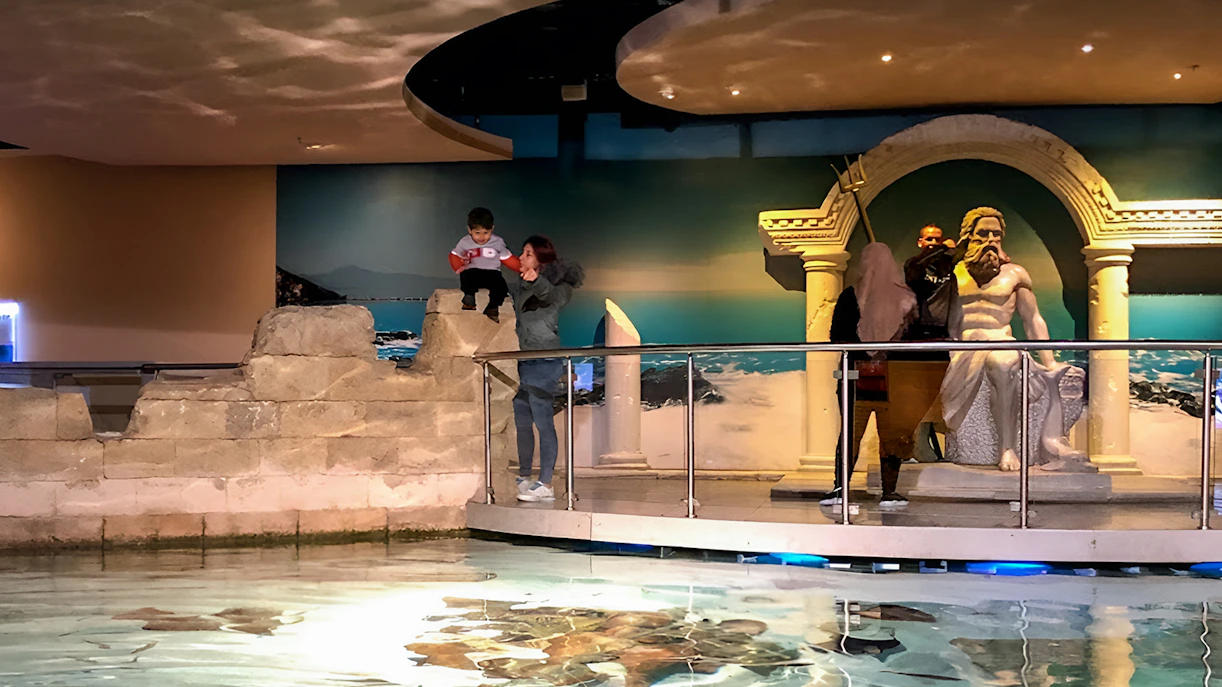
Boy observing fish and sharks at Istanbul Aquarium.

Capacity: 7 million litres
No. of tanks: 64
No. of habitats: 18
No. of animals: More than 15,000
No. of species: 1,500
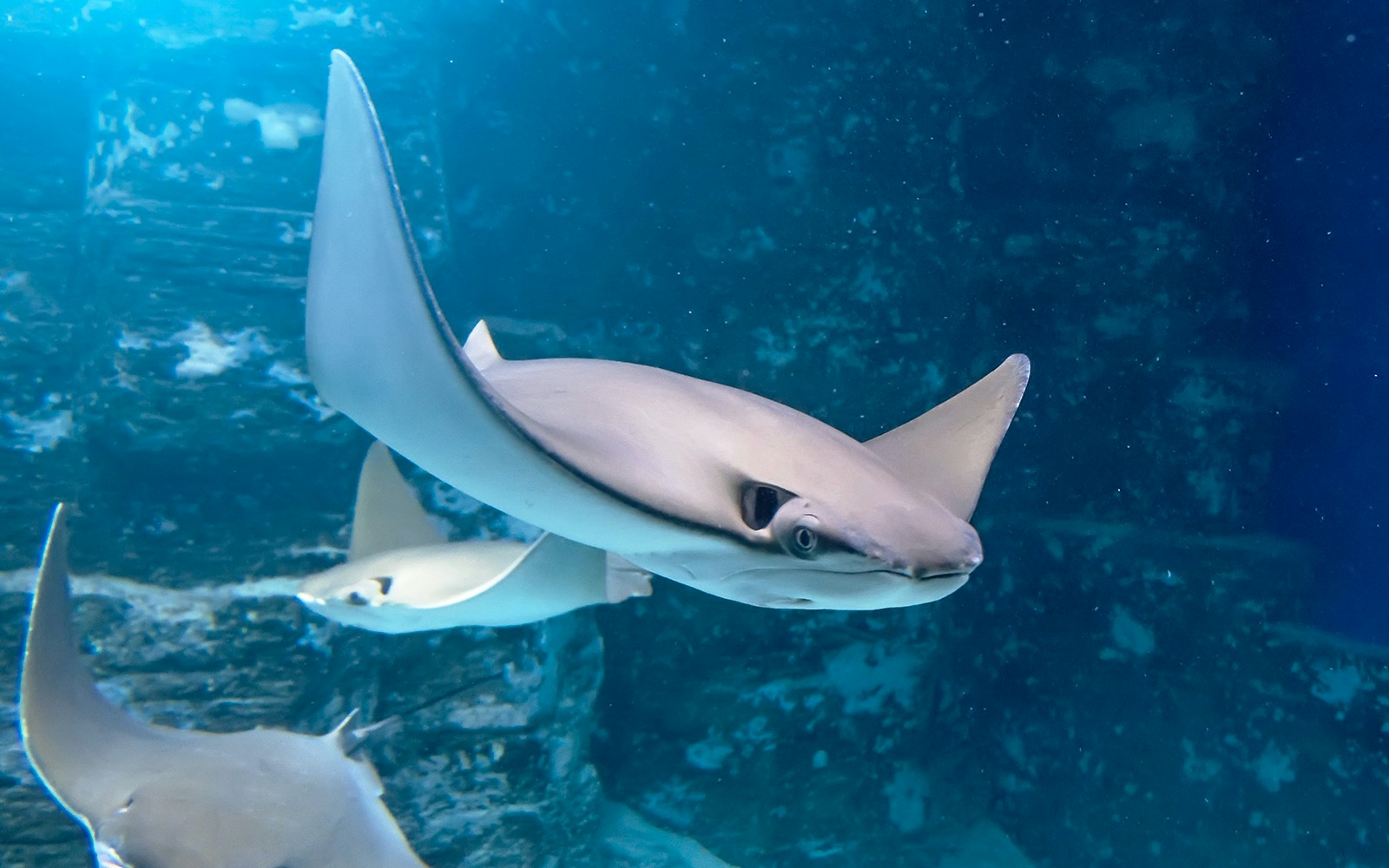
Popular animals: Lemon Shark, Sand Tiger Shark, Sandbar Shark, Reef Shark, Stingrays, Gentoo Penguins, Red-bellied Piranhas, Cownose Ray, Eagle Ray, Mediterranean Moray, Spotted Garden Eel, Clownfish, Humphead Wrasse.

Why visit the Istanbul Aquarium?

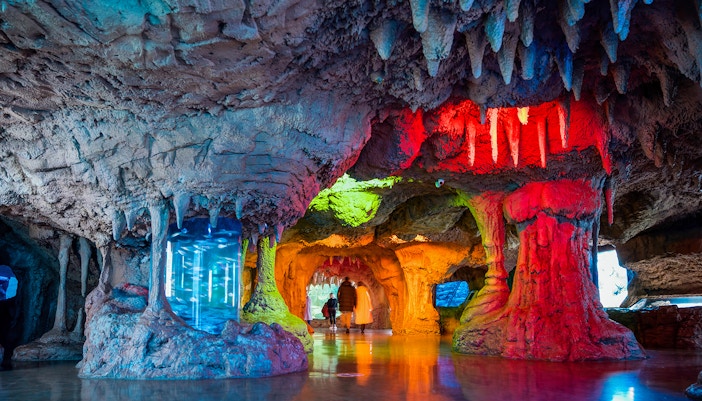
  • Embark on a journey through the world's oceans: Follow a 1.2 km one-way route that takes you from the Black Sea and Bosphorus all the way to the Pacific Ocean and an Amazon Rainforest, spanning 17 themed zones under one roof, each recreating a distinct aquatic habitat with its own climate, soundscape, and decor.
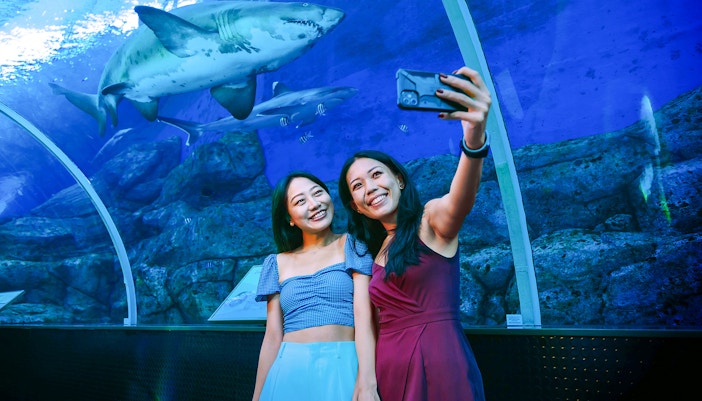
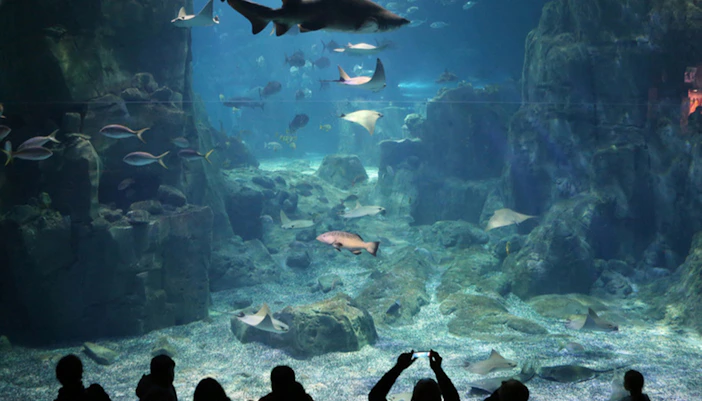
  • Walk through an 80-meter shark tunnel: Experience the aquarium’s iconic centerpiece, a curved acrylic tunnel offering 270° views of sharks, rays, and giant groupers gliding overhead, widely regarded as the most memorable part of any visit.
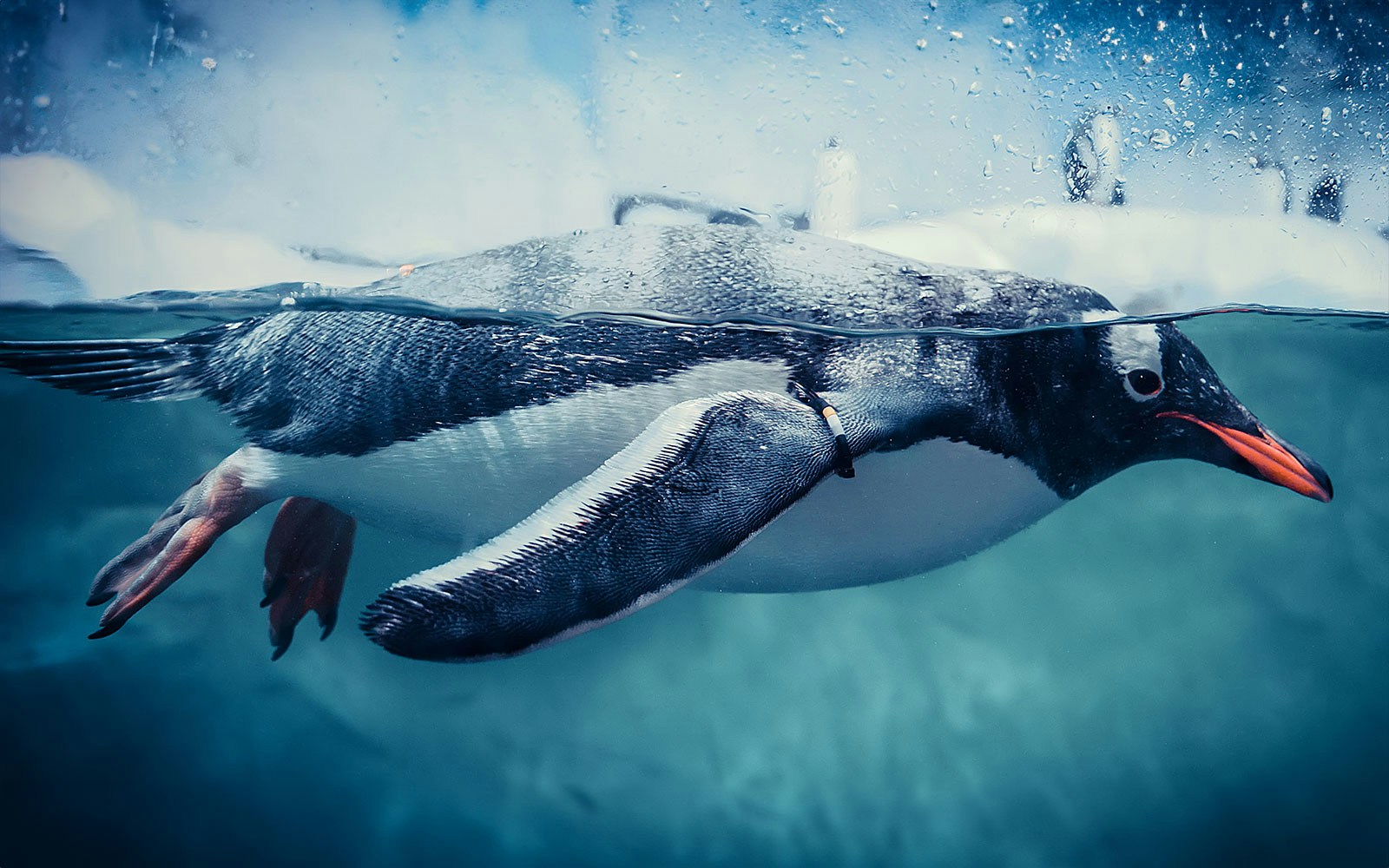
  • Discover Turkey’s only Gentoo penguins: Head to the Polar Zone to meet the country’s one-of-a-kind gentoo penguin colony, watch them dive underwater, and marvel at cold-water species in a fully recreated Antarctic habitat.
  • End your visit in a lush tropical rainforest: Step from the ocean into a humid, immersive Amazon zone filled with piranhas, caimans, anacondas, and dense tropical foliage, a surprising and spectacular finale that delights visitors of all ages.
  • Make a full half-day of it at Aqua Florya: The aquarium sits inside Aqua Florya on the Marmara Sea coast, so after your visit you can unwind at a waterfront café or terrace restaurant with sea views, turning an aquarium trip into a relaxing half-day outing.

Discover the habitats at Istanbul Aquarium
Habitat: Black Sea
Habitat: Bosphorus
Habitat: Marmara
Habitat: The Dardanelles
Habitat: Aegean Sea
Habitat: Suez Canal
Habitat: Red Sea
Habitat: North Pole
Habitat: Mediterranean
Habitat: Straits of Gibraltar
Habitat: East Atlantic (Liberty shipwreck)
Habitat: Mid-Atlantic Ridge
Habitat: Western Atlantic
Habitat: Panama Canal
Habitat: Pacific Ocean
Habitat: Nautilus
Habitat: South Pole
Habitat: Amazon Rainforest
1/18

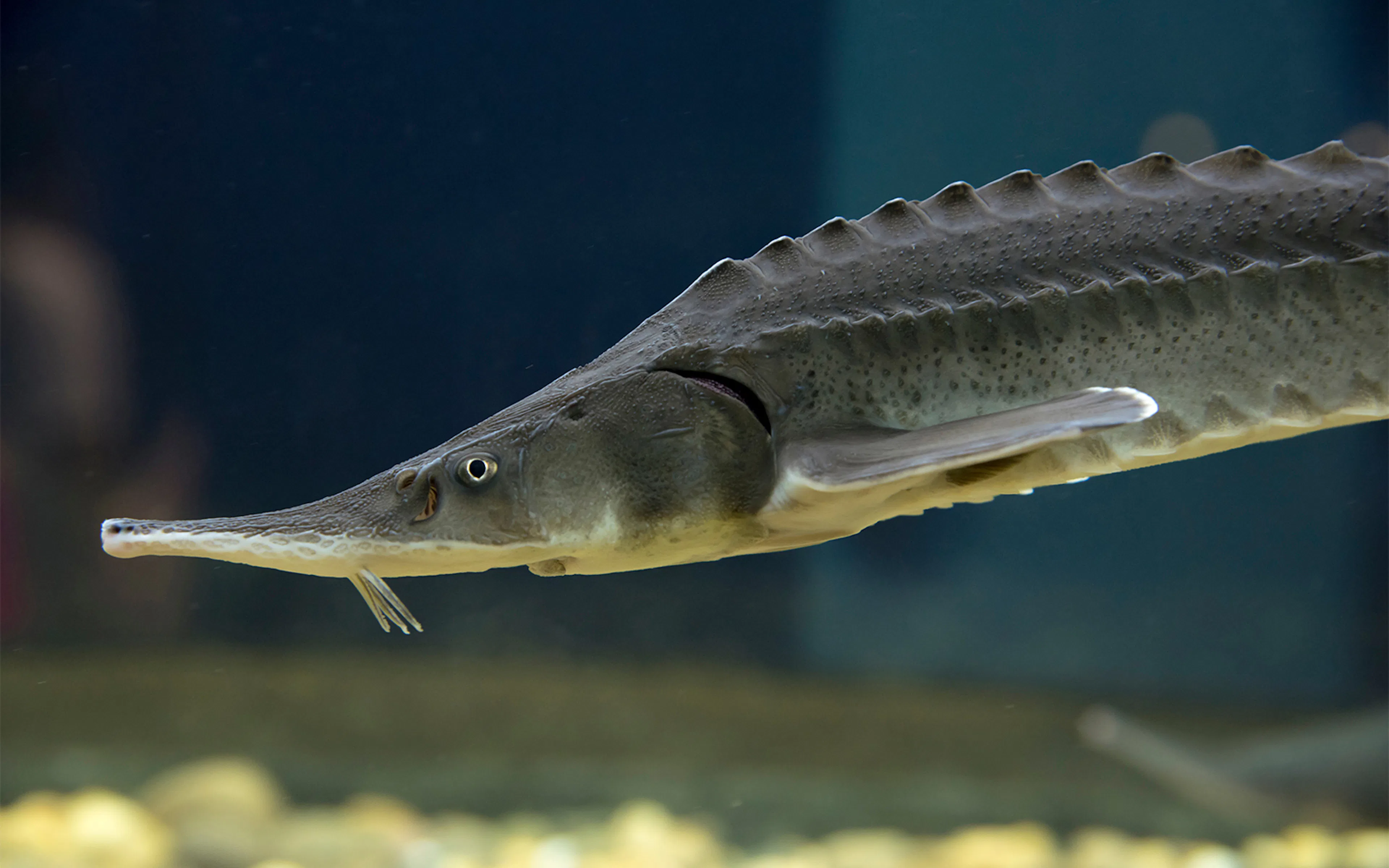
Habitat: Black Sea

What to see here: This zone features cold-water species such as Black Sea turbot, anchovies, mullet, gobies, and various small coastal fish adapted to rocky seabed environments.

Habitat: Bosphorus

What to see here: This section highlights migratory and predatory species found in the strait, including bluefish, bonito, sea bream, and large shoals of anchovies that move seasonally between seas.

Habitat: Marmara

What to see here: This area showcases marine life from the Sea of Marmara, including sea bass, gilthead sea bream, wrasse, mullet, and other schooling fish typical of semi-enclosed waters.

Habitat: The Dardanelles

What to see here: Information about the Dardanelles Strait, which connects the Sea of Marmara to the Aegean Sea, informative display panels about the animals at Istanbul Aquarium, and the mythological Battle of Troy, which is said to have been fought here.

Habitat: Aegean Sea

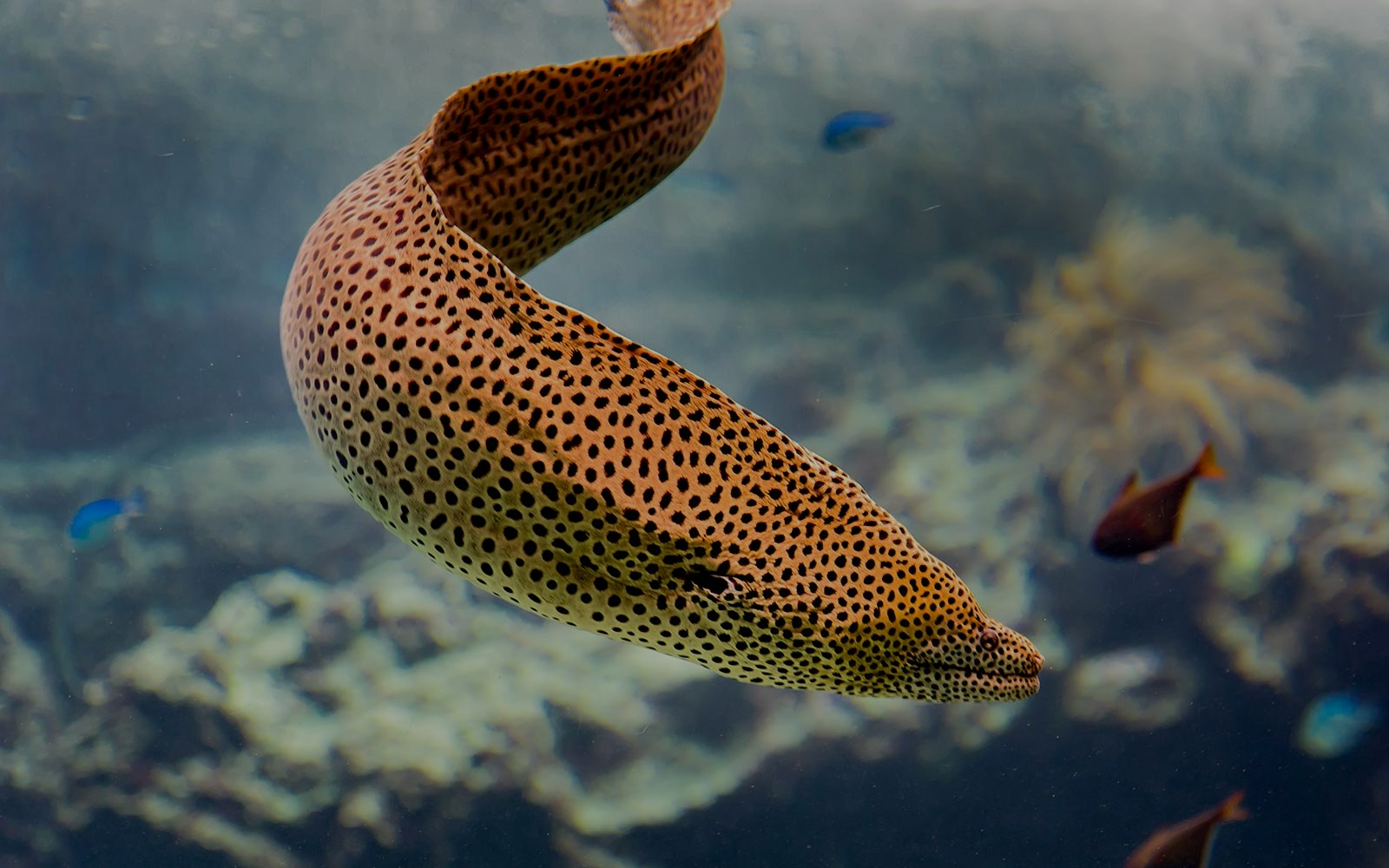
What to see here: Mediterranean Moray, Cownose Ray, Eagle Ray, Red scorpionfish, Thorny Lobsters, stingrays, Jewelled blenny fish, and seahorses.

Habitat: Suez Canal

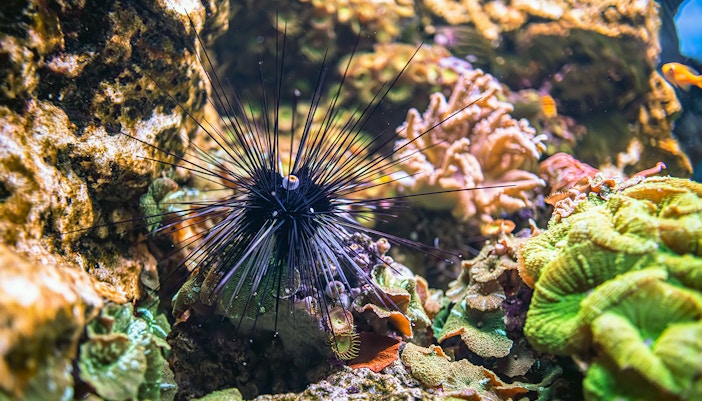
What to see here: Starfish and sea urchins in the touch pool, a model showing the workings of the Suez Canal

Habitat: Red Sea

What to see here: Pufferfish, Spotted Garden Eel, Humphead Wrasse, False Stonefish, Lagoon Triggerfish, Golden Lionfish, Butterfly Fish, Clownfish, and Angelfish.

Habitat: North Pole

What to see here: Information about the drastic impact of global warming on the world’s seas and oceans, and how it has endangered several marine species.

Habitat: Mediterranean

What to see here: Mediterranean Moray, Thickback Sole, Dogtooth Grouper, crabs, and carp.

Habitat: Straits of Gibraltar

What to see here: Painted Eel, Red Sea Bream

Habitat: East Atlantic (Liberty shipwreck)

What to see here: The replica of the inside of a shipwreck, which lets you experience what it’s like to be inside a sunken ship, with rusted iron pipes, a ship’s wheel, antique nautical dials and gauges, and walls lined with salt.

Habitat: Mid-Atlantic Ridge

What to see here: Lemon Shark, Sand Tiger Shark, Sandbar Shark, Stingrays, Cownose Ray, Eagle Ray, Dogtooth Grouper, Bowmouth Guitarfish, Atlantic Croaker, smaller fish, corals, and anemones. You can also watch a live feeding session.

Habitat: Western Atlantic

What to see here: Lemon Shark, Sand Tiger Shark, Sandbar Shark, Bowmouth Guitarfish, Cownose Ray, Eagle Ray.

Habitat: Panama Canal

What to see here: Lemon Shark, Sand Tiger Shark, Sandbar Shark, Stingrays, Cownose Ray, Eagle Ray, Bowmouth Guitarfish, Seabass.

Habitat: Pacific Ocean

What to see here: Lemon Shark, Sand Tiger Shark, Sandbar Shark, Stingrays, Cownose Ray, Eagle Ray, Emperor Angelfish, Red Lionfish, Clownfish, Banggai Cardinalfish, Longhorn Cowfish, Lagoon Triggerfish.

Habitat: Nautilus

What to see here: Clownfish, Bamboo Shark, Lionfish, smaller vibrantly-coloured fish species.

Habitat: South Pole

What to see here: Gentoo penguins

Habitat: Amazon Rainforest

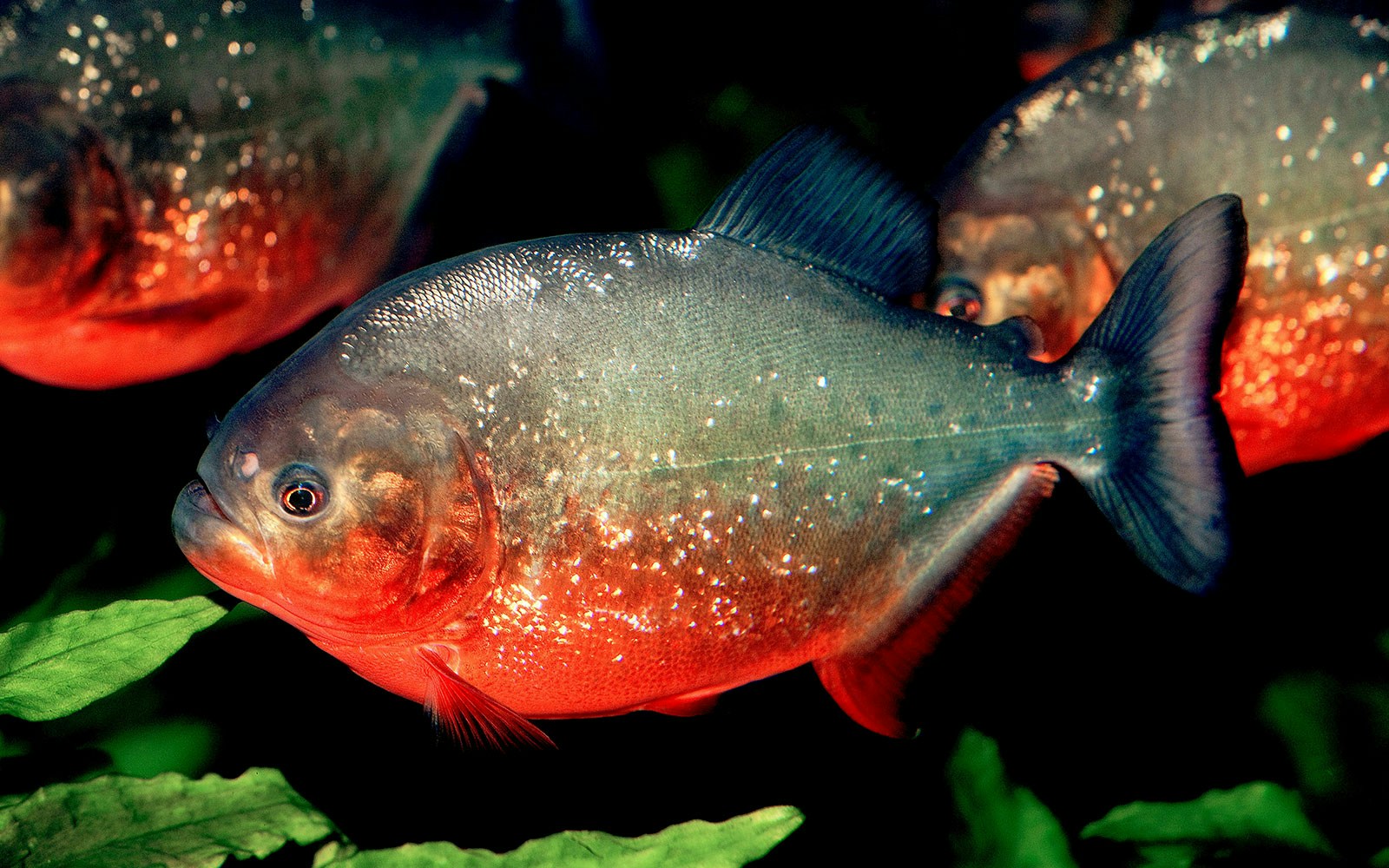
What to see here: Red-bellied Piranha, Anaconda, Cuvier’s Dwarf Caiman, Poison Frogs, Capybara, Giant freshwater stingray, Catfish, other Amazonian reptiles, insects, and arachnids.

Highlights of the Istanbul Aquarium

Habitats
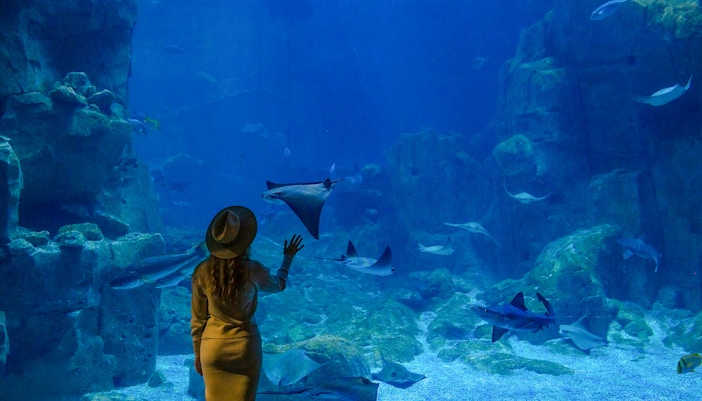
There are 18 habitats at Istanbul Aquarium, connected by a 1.2 km route with 64 tanks that house 1,500 species of marine creatures. These zones are designed to replicate the animals’ natural environments as closely as possible. The most popular zones include the Amazon rainforest and the Pacific Ocean.

Observation areas

Visit the aquarium’s observation areas in the Marmara and the Pacific Ocean habitats to observe the sharks, rays, and other marine animals. The viewing panels in these zones measure 8 by 4 metres (27 by 13 feet), giving you a huge, scenic window into the depths of the ocean.

Underwater glass tunnel

If you’ve ever wondered what it’s like to stand at the bottom of the sea, surrounded by fish, the aquarium’s underwater glass tunnel is your answer. You’ll see sharks and rays majestically glide by above you while thousands of smaller fish dart around. It’s one of the most magnificent sights at the aquarium.

Live feeding sessions

Catch the live feeding sessions at the aquarium, one of the most popular activities. Get the chance to see the animals up close and observe their eating habits. The feeding areas are located in the main tank shared between the Mid-Atlantic Ridge, Western Atlantic, and Panama Canal habitats.

Touch pools

Meet starfish and sea urchins at the aquarium’s touch pool, located at the Suez Canal zone. One of the highlights of the aquarium is that it gives you the chance to interact with these animals under the supervision of the aquarium’s expert staff. It’s a rare and unique opportunity to connect with marine life.

5D cinema

Take a virtual 5D journey into the underwater abyss at the aquarium’s cinema. Sit back in your seats and watch a panoramic film, accompanied by fog, wind, and water effects, which make you feel like you’re at the bottom of the ocean.

Wonders of the deep: Must-see creatures of Istanbul Aquarium
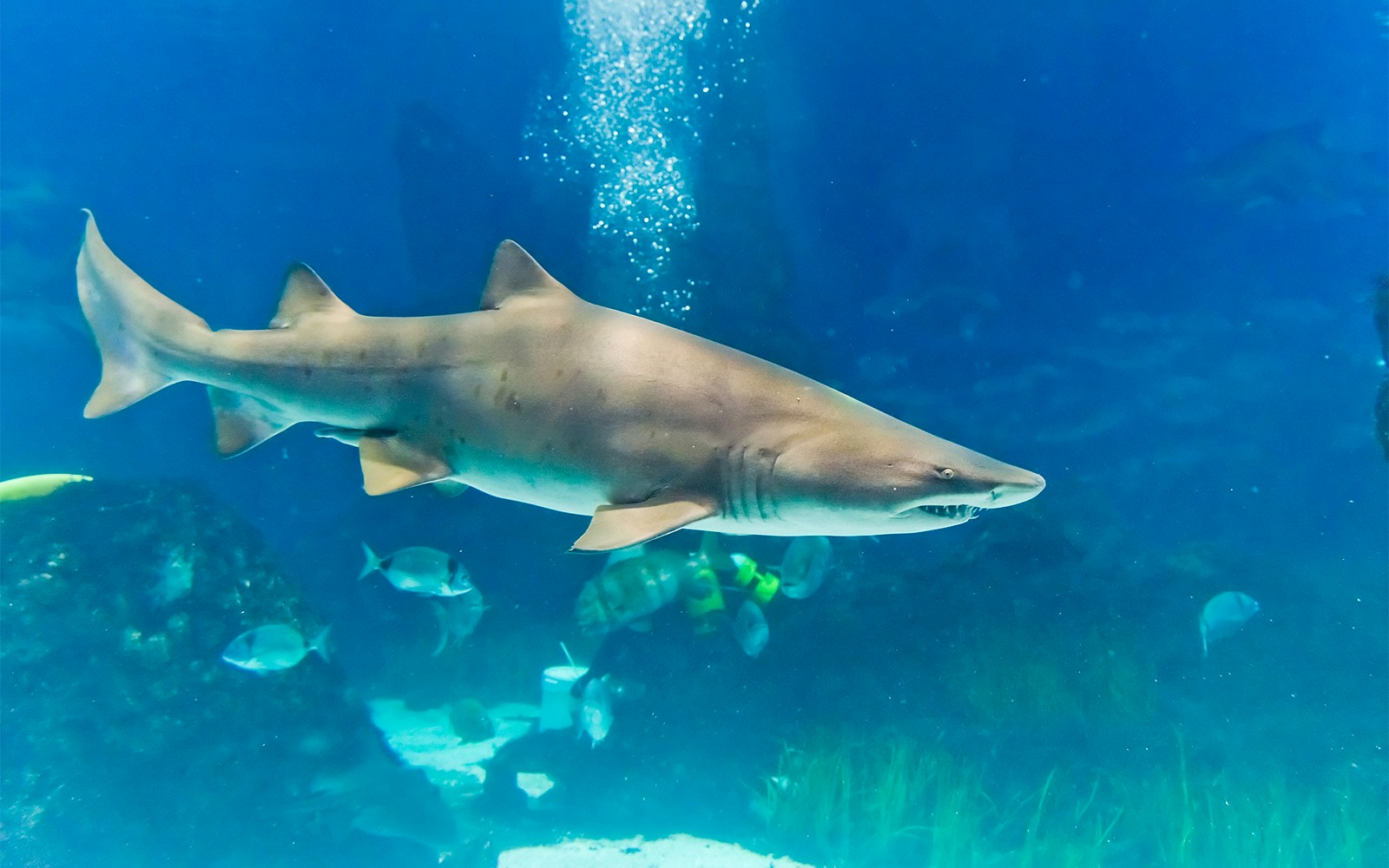
Sharks at Istanbul Florya Aquarium
Sharks

At Istanbul Aquarium, you'll see Lemon sharks, Sand tiger sharks, Sandbar sharks, and Reef sharks.

Rays at Istanbul Aquarium
Gentoo Penguins
Red-bellied Piranhas
Mediterranean Moray

History of the Istanbul Aquarium
Istanbul Aquarium opened in June 2011 as part of the Aqua Florya Shopping and Life Center on the Marmara Sea coast in Istanbul's Florya district. From its inception, it was conceived not as a conventional aquarium but as a thematic journey that takes visitors through the world's major aquatic ecosystems along a single, continuous route. The aquarium quickly established itself as one of the world's largest themed aquariums, distinguishing itself through narrative-driven design rather than sheer tank volume.

In its first year of operation, the aquarium welcomed approximately 1.2 million visitors, with that figure growing to around 1.5 million by 2019, its busiest year on record. By then, more than 60% of visitors were international tourists, reflecting the aquarium's rise as a major attraction in Istanbul. Today, Istanbul Aquarium markets itself as Turkey's national aquarium, continuing to welcome families, school groups, and travelers from around the world to its 17 themed zones.

Frequently asked questions about Istanbul Aquarium

It’s one of Turkey’s largest aquariums and is home to over 15,000 marine animals. It has a 1.2-kilometer route of exploration that takes you through 18 geographical habitats, with animals like sharks, rays, penguins, piranhas, and many more.

More reads

Plan your visit

Book now

Opening hours

Book now